BMW 320d auto-leveling headlight system not working
A BMW 320d arrived into the workshop with a complaint of the headlight leveling system not working.
Where I worked at the time this system was a roadworthiness test fail and the owner had been quoted around $2000 for headlamp unit replacement.
I was tasked with checking this out as a second opinion. The owner really didn’t want to spend this kind of money if it wasn’t necessary.
The diagnostic process
Firstly I want to read fault codes. There’s quite a lot to consider here, ride height sensors, headlight servo motors and connections to name a few. Also a high probability is water ingress in these cars. The scan shows a no communication fault for both headlight motor units. My first check is going to be powers and grounds. At this point I’m thinking the likelihood of two headlamp units being faulty is slim.
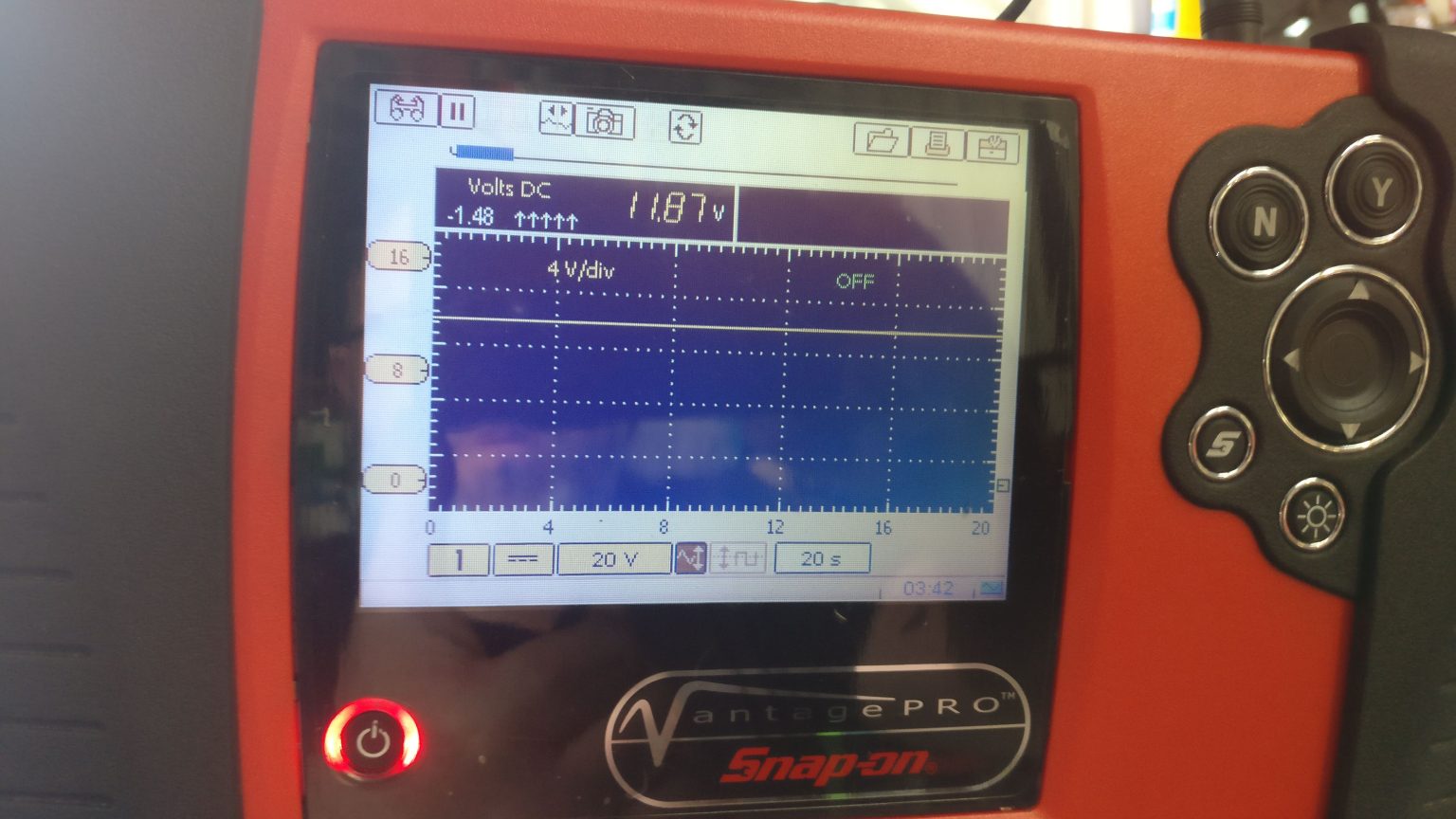
After reading a wiring diagram and identifying my power and ground I proceed to check and straightaway see no power at either headlamp unit motor. The grounds are present. Checking the outputs from the control unit shows the powers are working from this side.
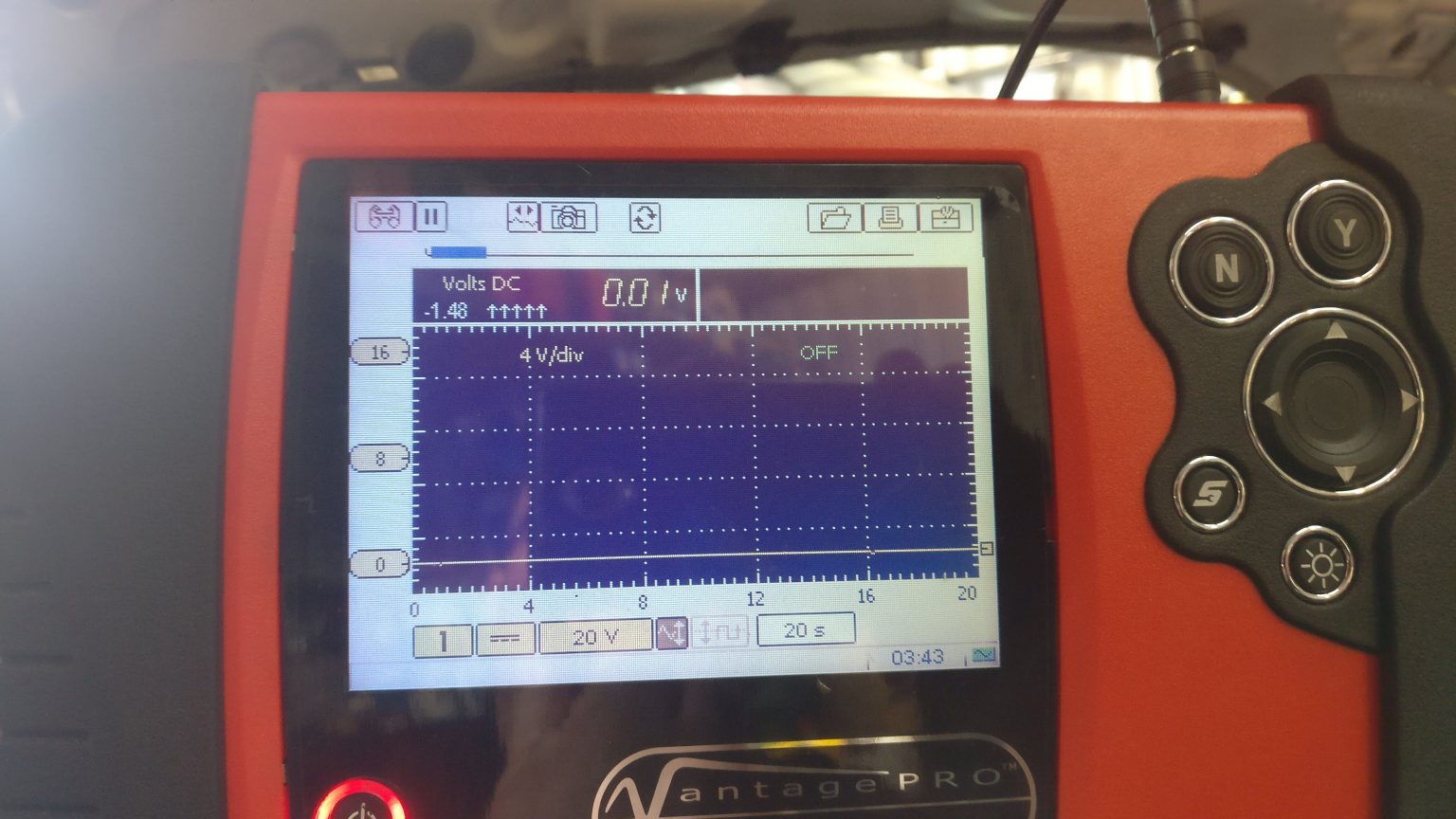
I’ve now established that there’s a break in the circuit. Using a fused jump wire from the control unit to the headlamp I prove my theory. Everything works as it should and I can clear those fault codes.
Finding the cause
Is this likely to be a broken wire or are there connector blocks on this loom where the connectors have come loose?
I usually start from outside the vehicle where wiring and connectors are more likely to be exposed. In my experience if there has been some body panel repair work that’s a good place to start. And that was the case for this vehicle. It had extensive work carried out on the right hand front fender at some stage.
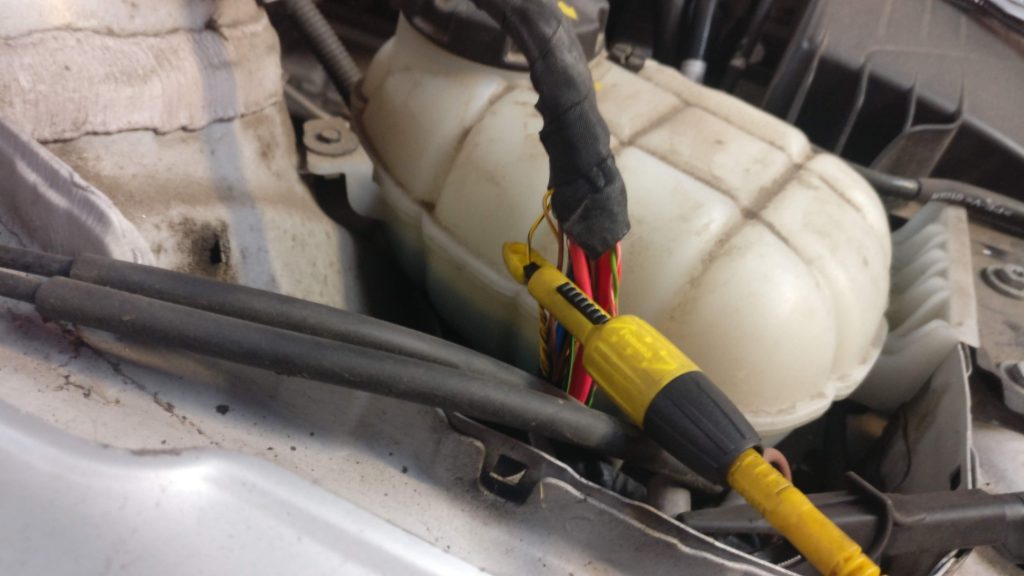
The wiring loom had been routed incorrectly and it was chafing against a sharp edge that hadn’t been repaired correctly. Stripping back the loom I could see the damaged wire. .
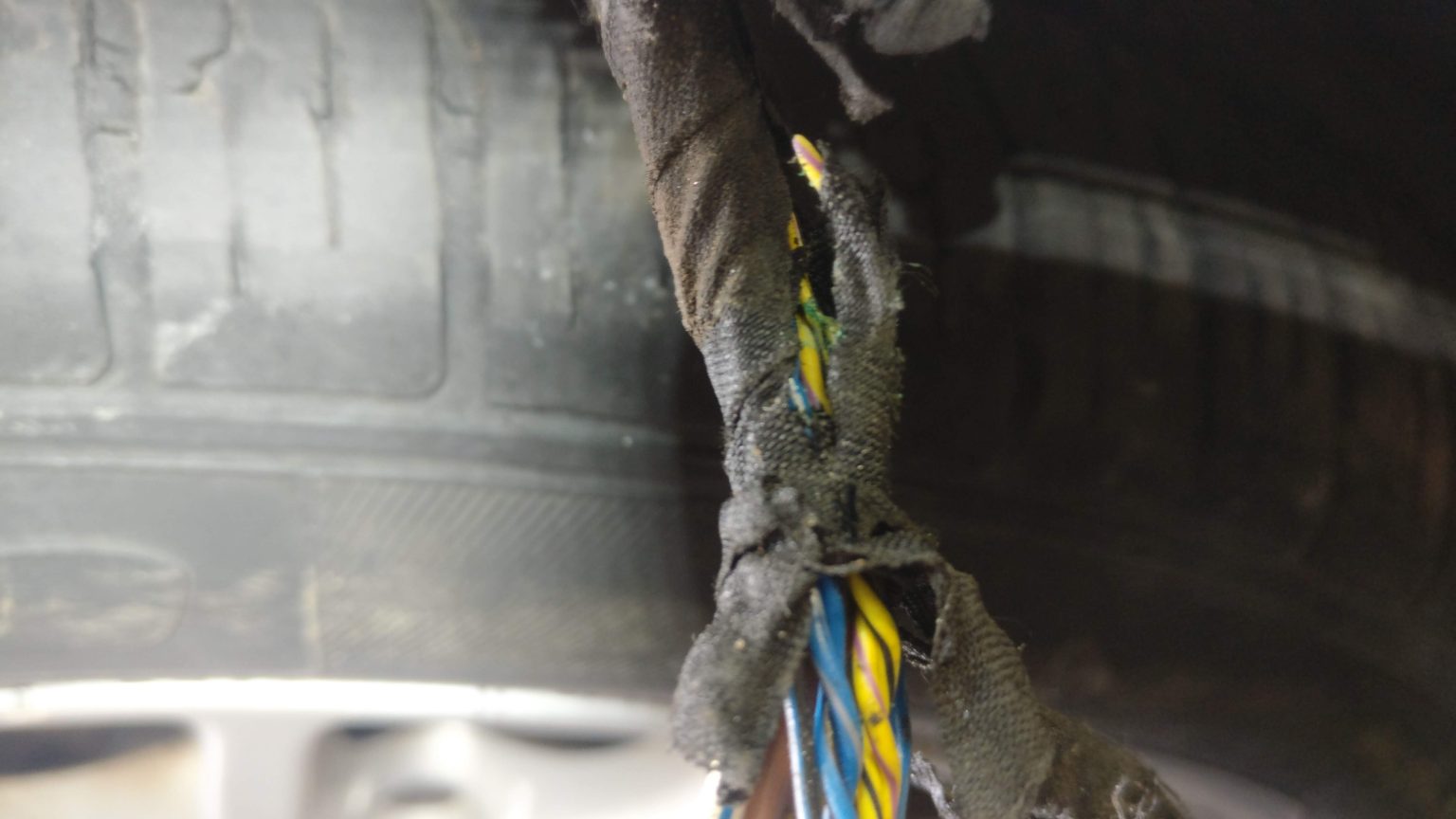
It didn’t take much effort to pull it apart, only the insulation was holding it in place. Other wires in this loom were damaged too and it was only a matter of time before they too would cause more issues.
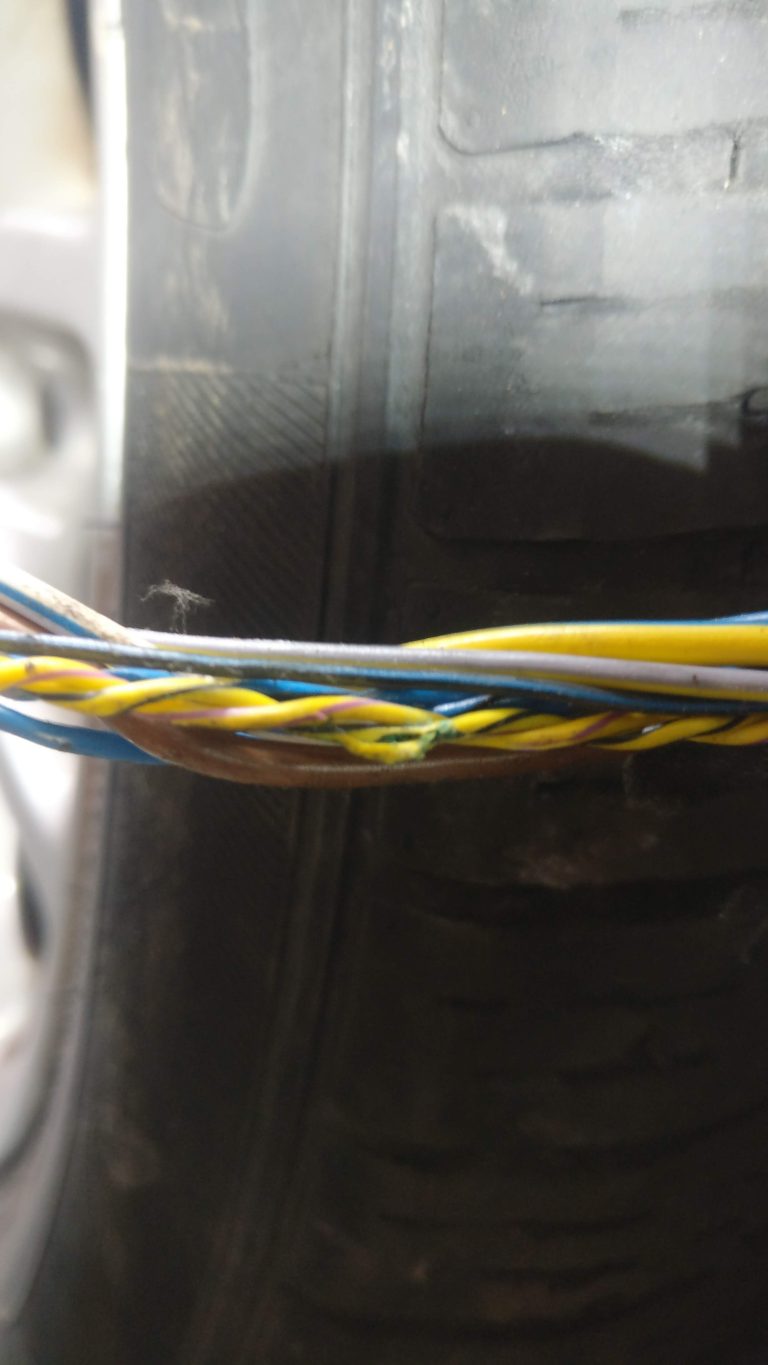
To prove my theory here I moved up the loom and connected my multimeter. I turned on the lights and could see I was getting power to that point.
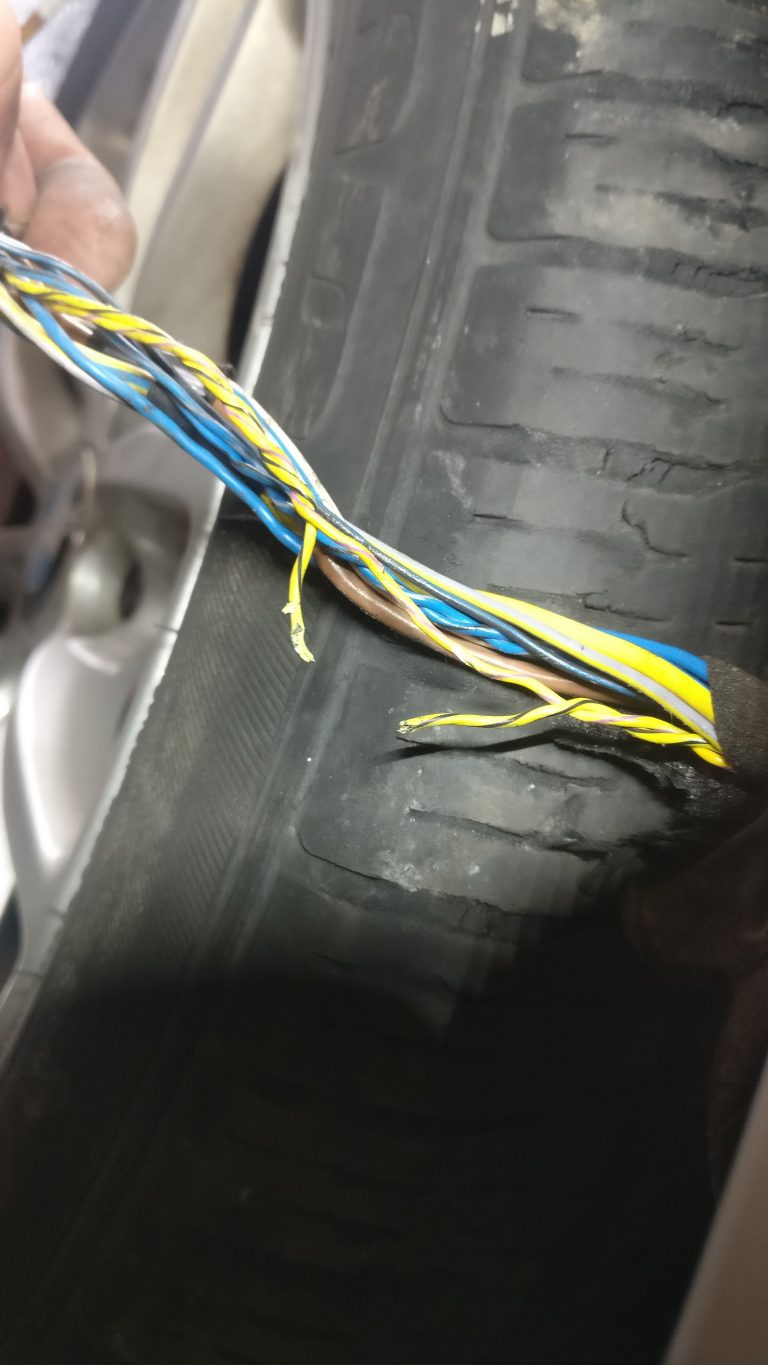
Fixing and Conclusion
Once I repair this wire I’m confident this issue will be fixed. This diagnosis and fix is far cheaper than the quote for two headlight unit replacements.
Replacing components without proving the fault first is expensive guesswork.
These are most likely a non return item, so you’re stuck with them. That means you now need to repair the actual issue and then charge the customer for parts that were not required.
I wish this was an isolated case but it isn’t. This is common in my workshop, time and time again I seem to be the guy who gets the vehicle for either a second opinion or I’m the third or fourth workshop to look at it. And most of the time it plays out just like this.
This vehicle went on to pass its roadworthiness test and the customer was happy to pay a lot less for the repair.
Some takeaways
- Diagnose before replacing
- Multiple component failure is unlikely
- Verify powers and grounds
- Look for previous bodywork repairs
Leave a Reply
You must be logged in to post a comment.