No, it’s not about AI doing your job or stealing your livelihood. For once, it could be a good news story about an AI assistant actually helping you to get organized.
Well, at least that’s the sales pitch. I’m trying to prove the concept, and so far it’s going well. But will it keep up the pace under pressure? Only time will tell.
How is it helping?
I’m a relatively new user of AI assistants, and I went into the world of AI as a skeptic. Which is my default mode: Question everything — believe nothing — until it proves itself in front of your eyes and can be explained.
We’re led to believe that AI can do everything! I’m of the belief it can’t do anything unless it’s told to do something. Kind of like a dog: you feed it with information, and then it performs tricks based on that.
If you ask it a question, it’s not sitting there honing its inner thoughts. It’s scraping the web and its large, human-fed database for answers that match your query — all dressed up in smart language to make it seem like a conversation.
I’m not trying to run it down; I happen to think it’s cool, and it’s grown on me. It can be a fast way to find and collate simple information. But the problem is this information isn’t guaranteed to be accurate. It’s the world wide web, after all, which is littered with misinformation.
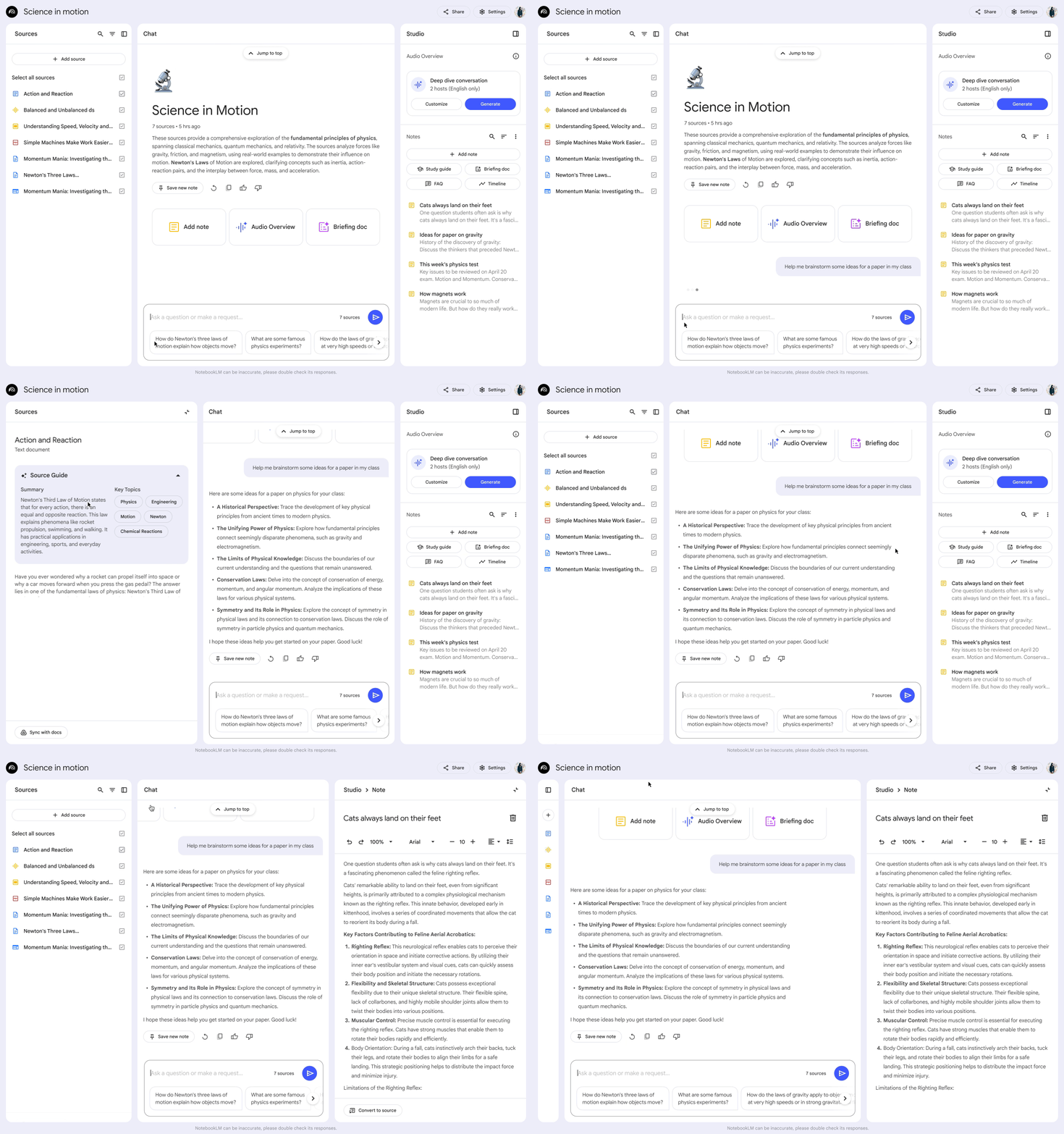
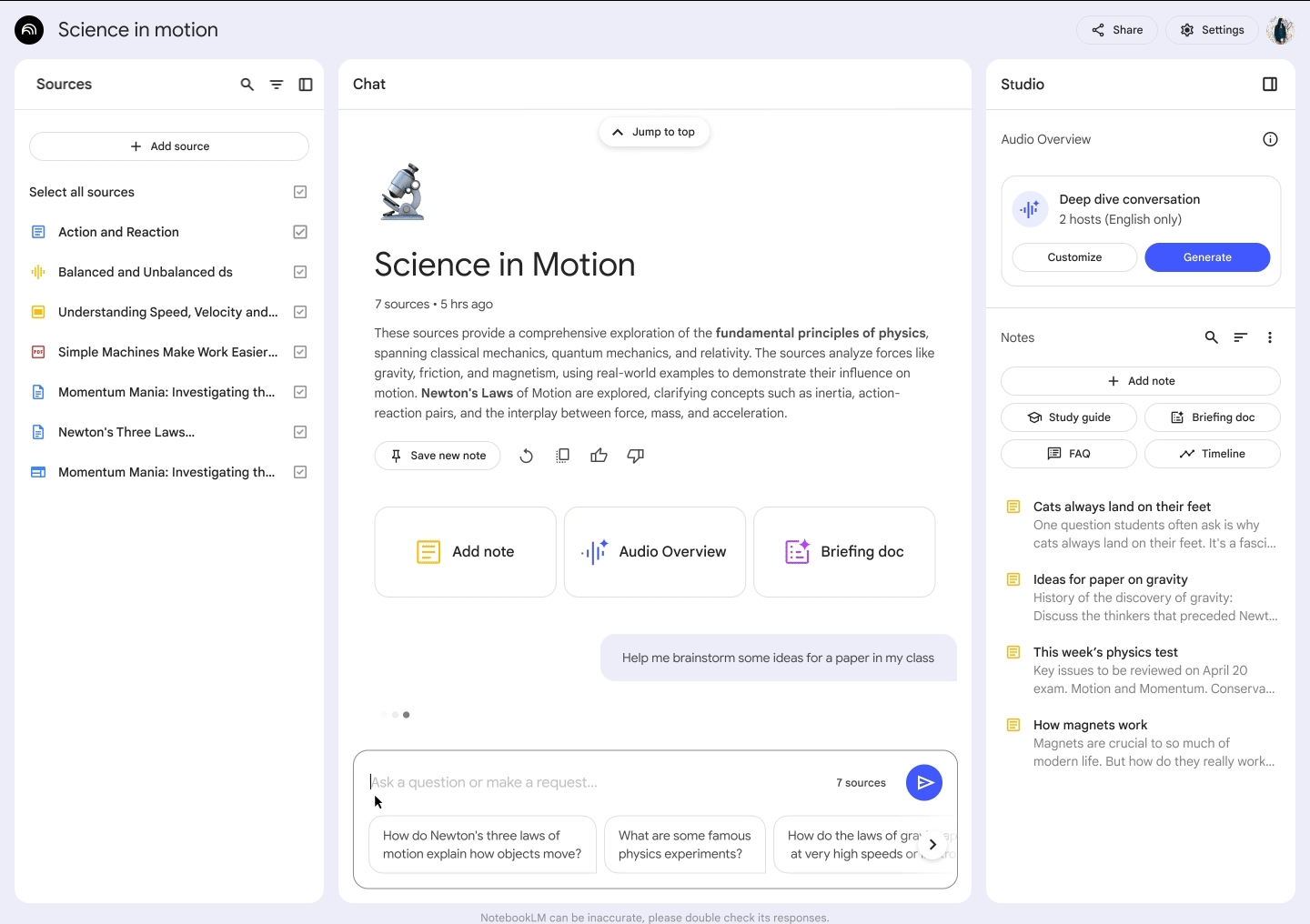
The standard NotebookLM 3-panel workspace: Sources on the left, grounded AI chat in the middle, and notes/studio tools on the right.
So, how do we make this a useful tool?
My AI assistant of choice is Gemini. The main reason for this was ease of use: it’s tied to my Google account, so Google Drive and my other apps work natively with it. That’s how they get you, I guess!
Alongside standard Gemini, there is Gemini Notebooks (also known as NotebookLM). This is where we can store accurate information in the form of notes, TSBs from PDFs, web links, or live Google Docs directly from Google Drive.
Basically, here is how it works: we create a notebook — let’s call it Diag Notes. In that notebook, we attach notes, links, or videos related to that specific topic. Because this is information you collected yourself, you know you can trust it. Now, when you search for a diagnostic fault or technical spec, it returns answers based only on your verified data. No more reading a load of half-baked forum posts or speculation when all you need is correct factory data.
Some restrictions to keep in mind
There are, of course, a few limits to keep in mind. Depending on your plan, each notebook has a source limit (often up to 100 sources), which includes document uploads, web links, and drive files. There are also per-file size ceilings on heavy PDFs, though you can easily work around them.
So if — like me — you were thinking of just uploading every single note and file you have into one giant catch-all notebook, beware: it doesn’t work well that way.
Honestly, sitting down and dividing your notes into concentrated areas pays off in the long run. Ask me how I know! Having one notebook dedicated to EGR systems and another dedicated to ABS braking proves much more focused and leaves plenty of room to add new files or TSB’s as they inevitably become available.
A quick tip if you’re getting started: Plan your notebook topics before uploading everything. Because you can’t easily drag and drop files between notebooks once uploaded, taking five minutes to set up dedicated containers (e.g., Braking Systems, Fuel Systems, Electrical TSBs) saves you from having to re-upload files later.
Watch out for heavy, image-laden TSB PDFs. If you hit a file-size wall with a graphic-heavy bulletin, don’t throw it out. Copying the text into a plain .txt document or a Google Doc gives you 100% of the factory diagnostic logic, specs, and DTC descriptions in a file that’s a fraction of the original size.
Why the Google Sync Wins
If you’ve ever dealt with heavy factory service PDFs, you know they can be absolute file-size hogs, loaded down with full-resolution graphics, uncompressed schematics, and rendering bloat. Try uploading a stack of those, and you’ll hit a wall pretty quickly.
Here is the workaround I stumbled onto that completely changed my setup: Google Docs.
Instead of wrestling with a 200MB PDF, I copy the text into a Google Doc and use a screenshot tool to grab the relevant scope waveforms, wiring schematics, or pinout tables. Now, that massive PDF turns into a clean, lightweight 2MB Google Doc that uploads in seconds.
But here’s the real kicker, and the reason staying inside the Google ecosystem makes sense here: when you link a Google Doc to a notebook, it becomes a live source file.
Six months from now, when you encounter a weird issue or failure on that same system or come across a fresh TSB, you don’t need to create a new file or burn through upload limits. You just paste the new info into your existing Google Doc, open NotebookLM, and hit Refresh Source. Or just refresh the page, I did notice that the Refresh Source option didn’t always pop up.
The AI updates its knowledge base instantly. No managing twenty different file versions, no creating extra accounts, and no clutter — just one focused document that grows alongside your real-world shop experience.
What does the future hold?
At this point, I’ve only scratched the surface. I’ve used it in the workshop, but I’m still adding information and getting familiar with how it behaves under real pressure. So far in testing, it has performed admirably, and I can’t wait to put it to work on a real stinker of a diagnostic job.
In a previous post, I talked about keeping notes while diagnosing vehicles and wondered if there was anything better than a pen and paper notebook. While I still love that traditional approach, NotebookLM feels like a natural extension of it.
I don’t intend to give up paper notes anytime soon — NotebookLM will simply be a companion to them. I’ll add my handwritten notes right into the notebook as a source, either by photo or PDF via Google Drive.
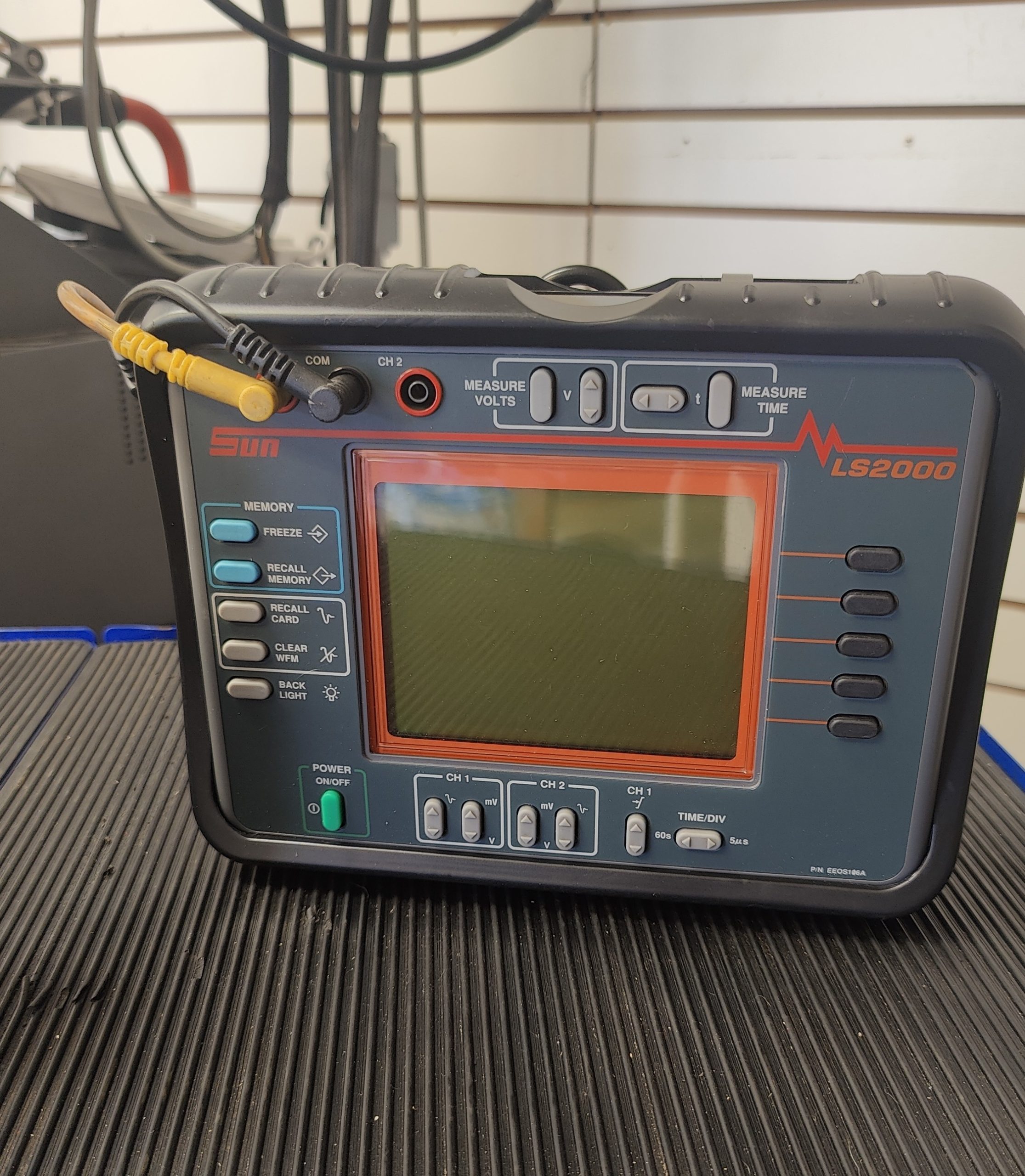
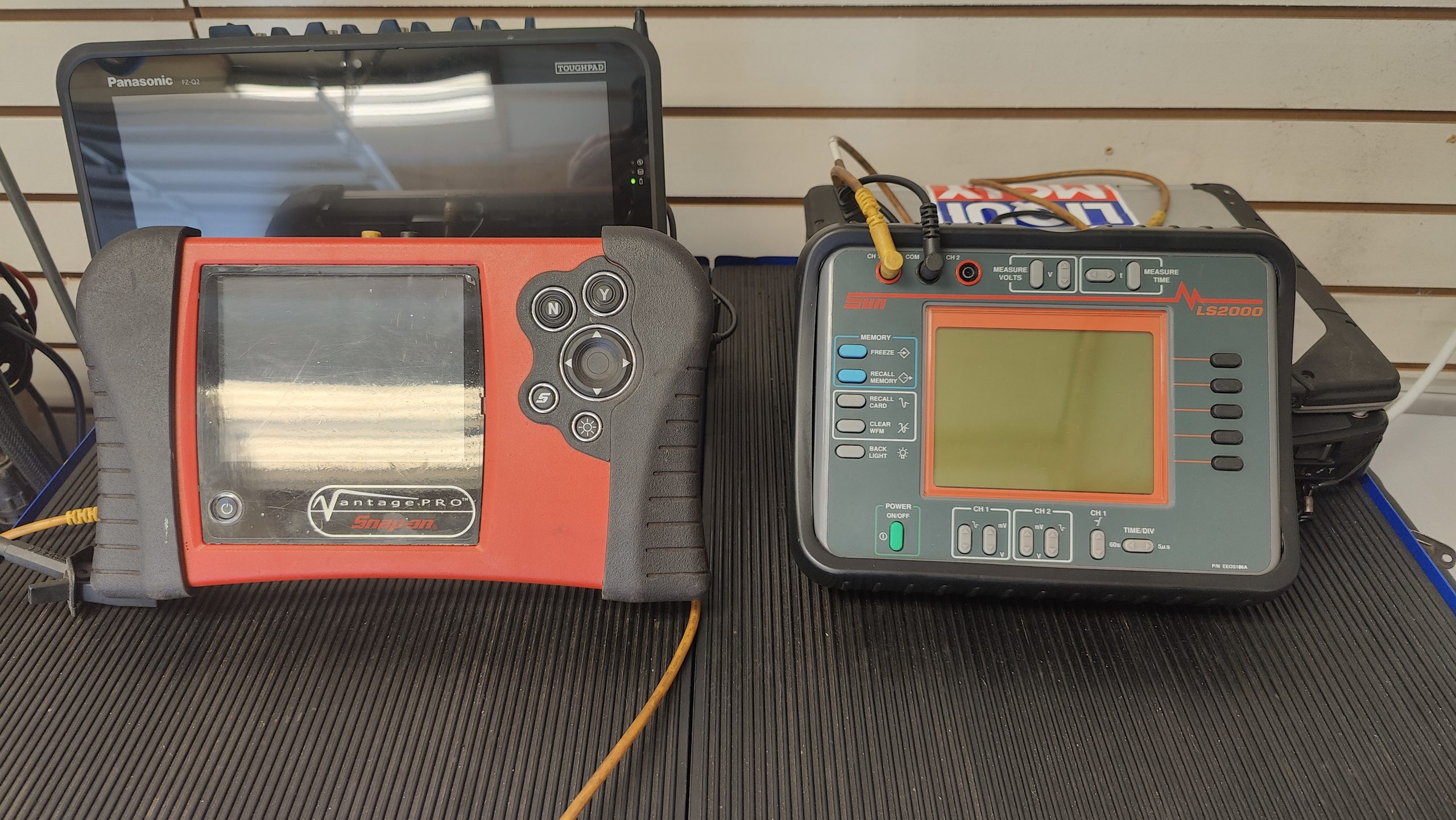
I bought this LS2000 on marketplace, it wasn’t expensive and my thought was it would be a handy scope to have out on the road for quick checks.
This is where I would normally use my Vantage Pro alongside a multimeter. But this being Sun from the 90’s I thought it would be like having a second Vantage. It isn’t.
That’s not to say it’s bad, it’s an older scope, and it feels it. But I still like it. It’s just different.
To find out if it can become a tool that’s useful and I can trust I’m going to do a number of tests with it up against other tools I know well and see if it will be added to my arsenal or destined to sit in a drawer.
I’ll probably try my hand at a video and upload it to YouTube soon.
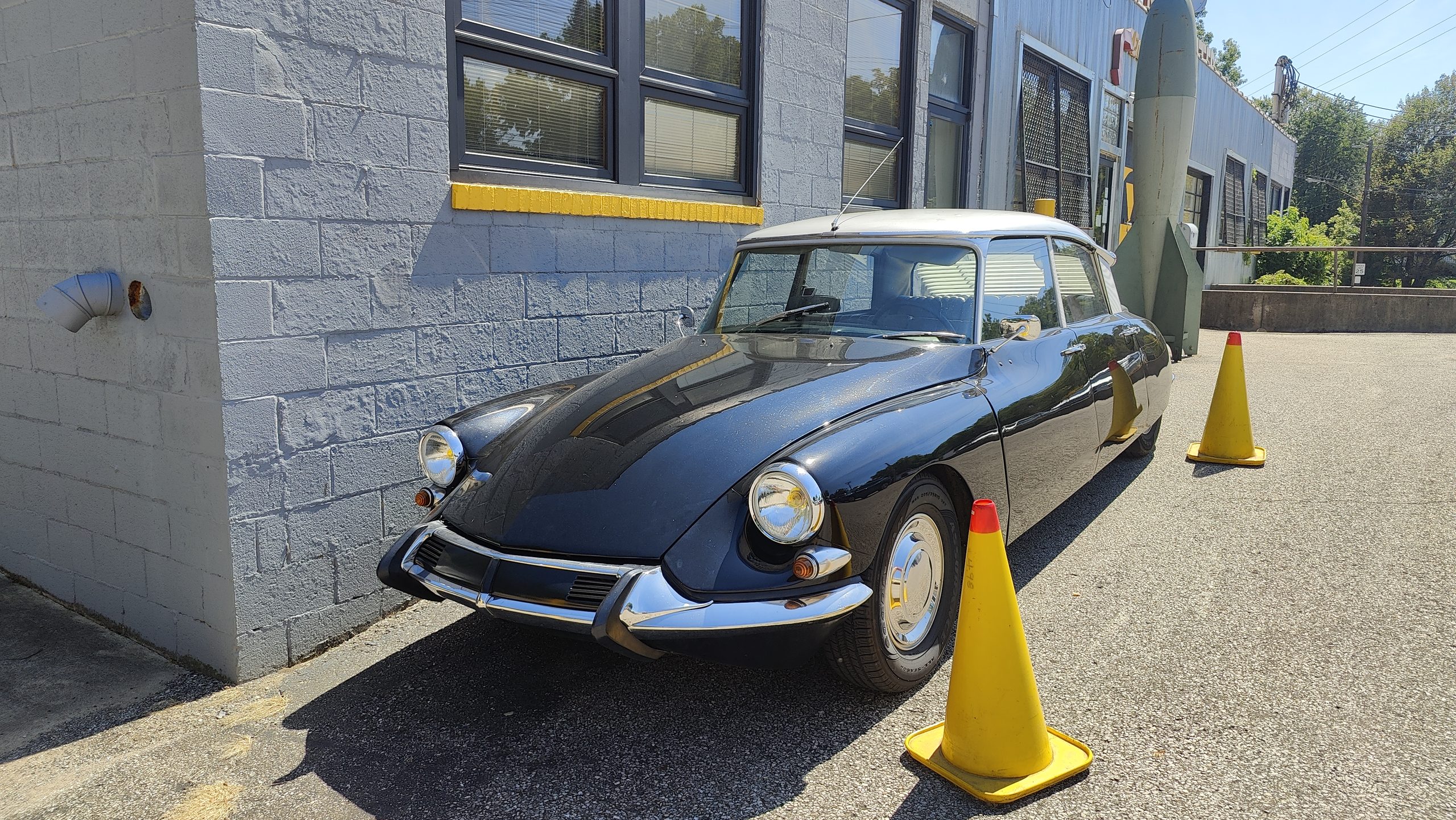
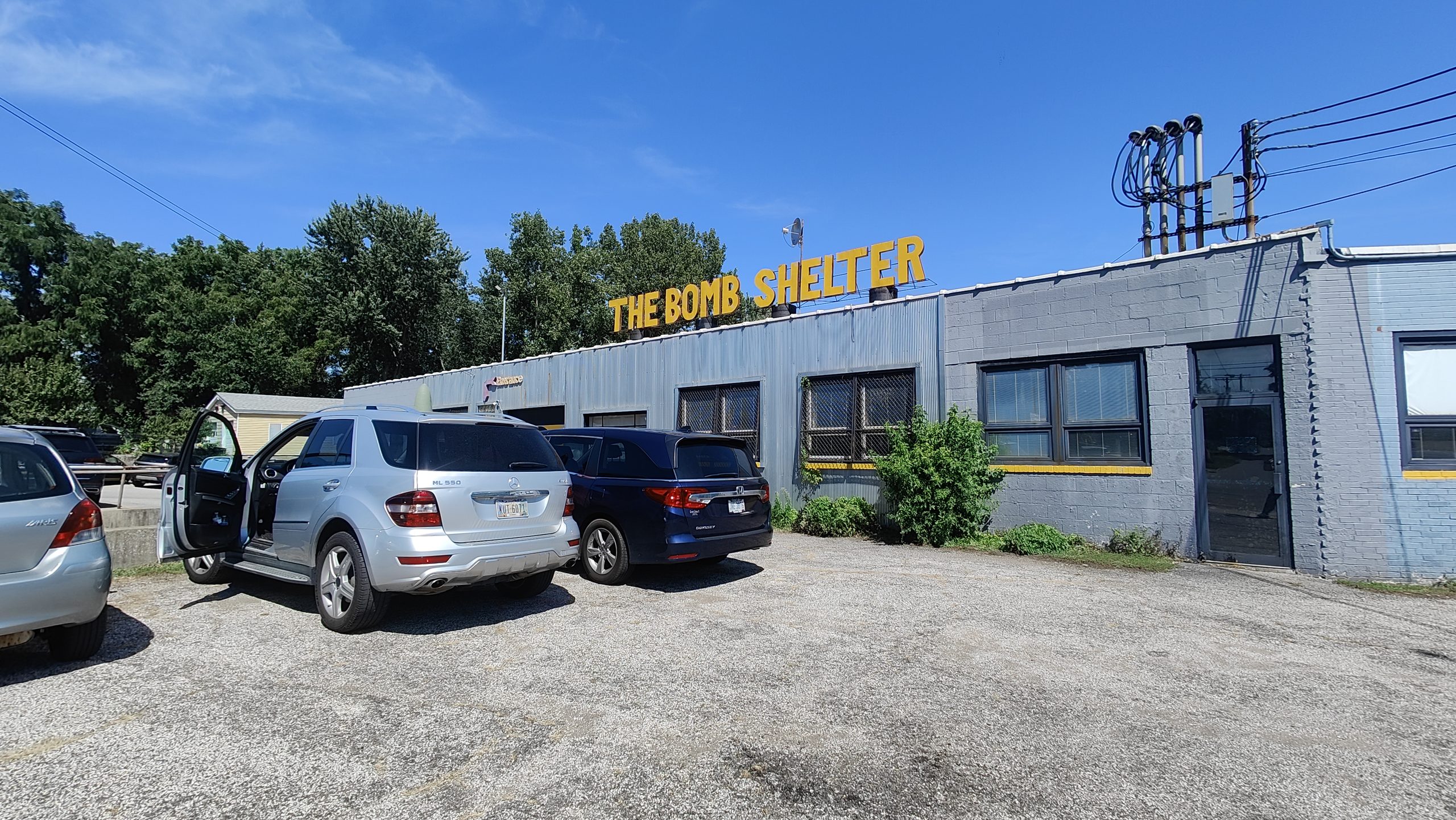
I went to a place called The Bomb Shelter in Akron today and it stirred up some great memories.
There was a Citroën DS outside which piqued my interest straight away, a Citroën in the USA is a rare sight but an immaculate DS in North eastern Ohio is rare indeed.
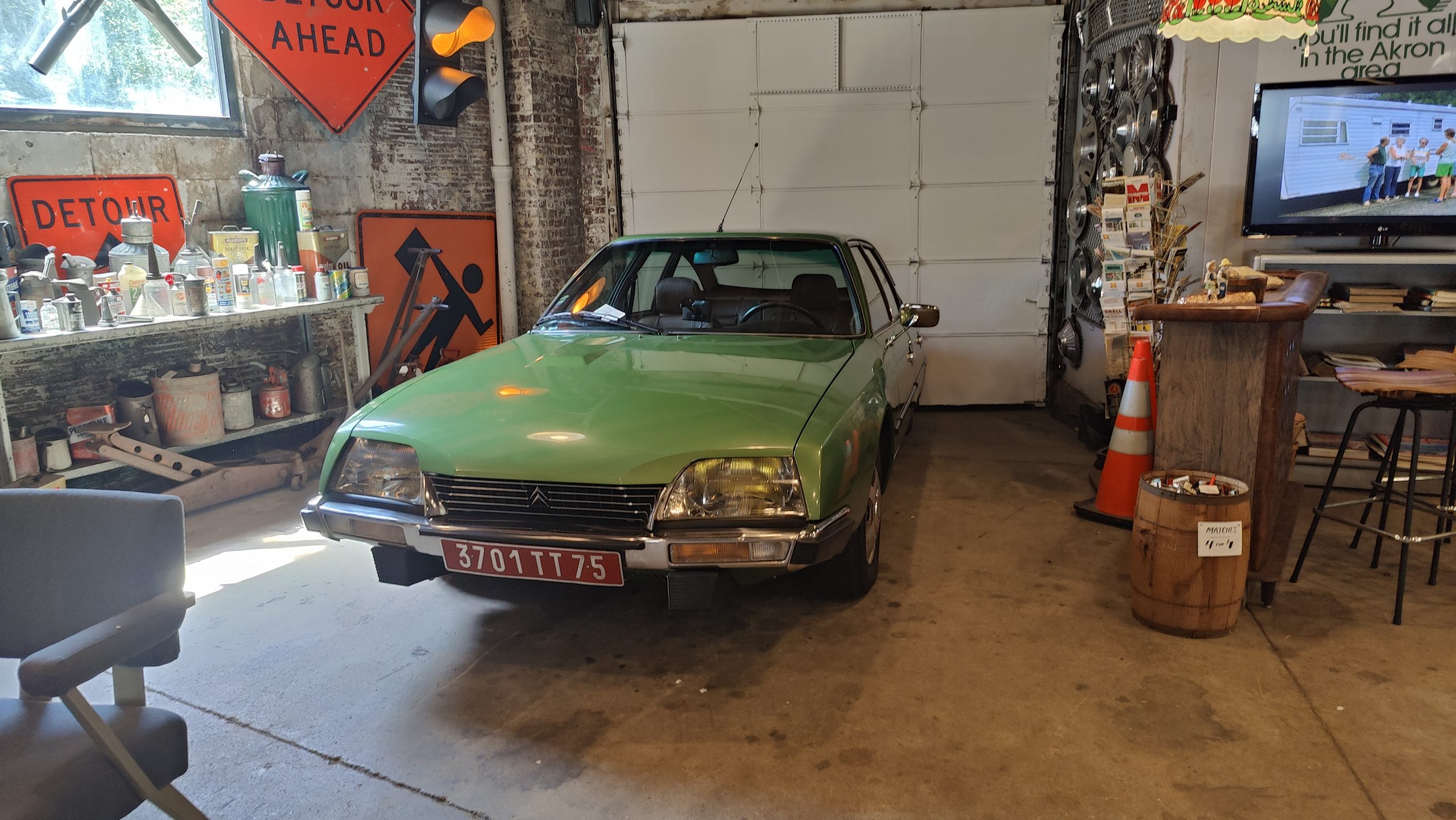
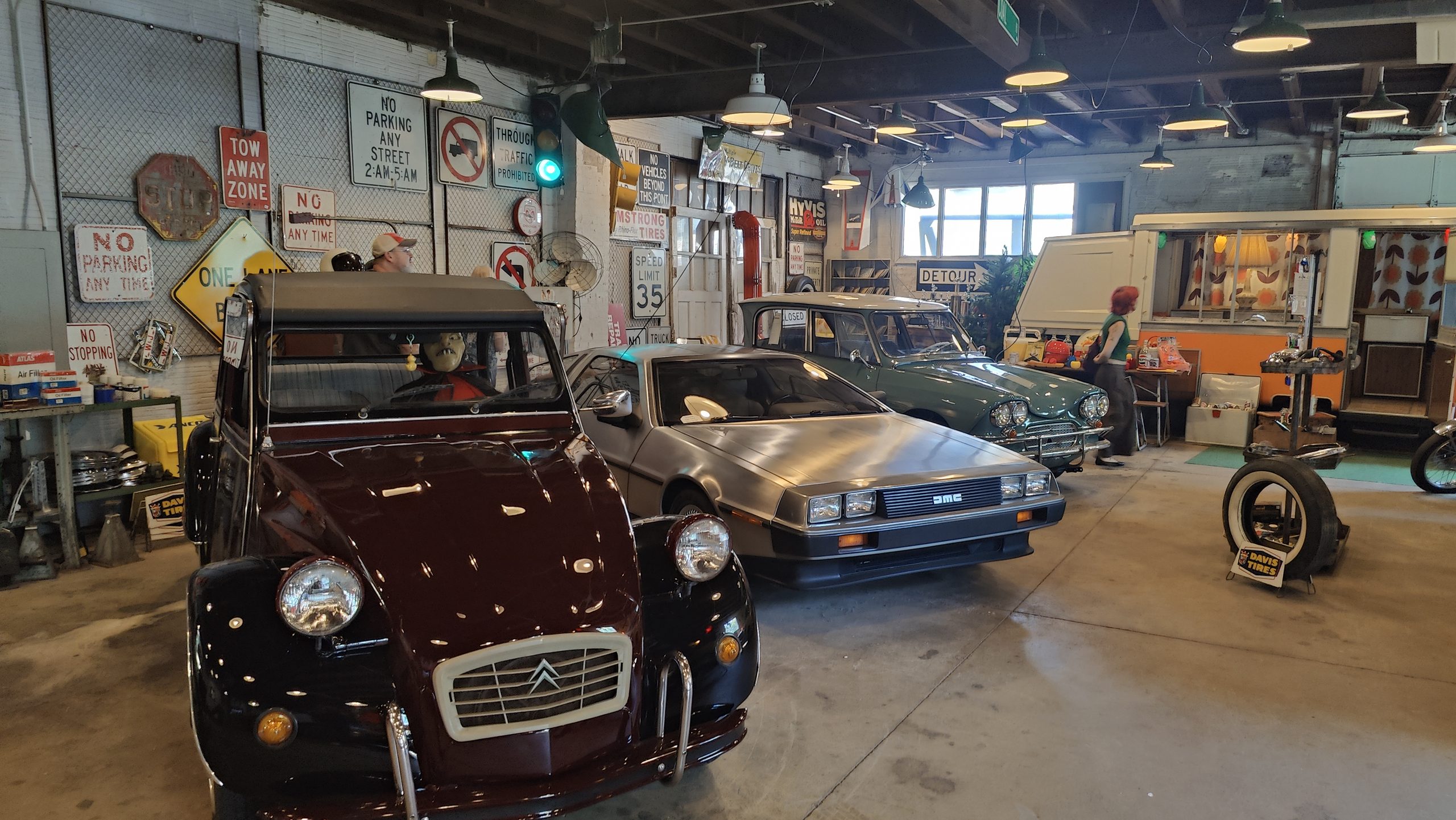
Inside the main door there’s a 1990 Yugo which although rare not surprising — there’s a great story behind Yugo in America that’s well worth a read or watch — but entering the back area there is a fantastic line up of rare euro cars including a Citroën 2CV Charleston, a Citroën Ami, a DeLorean DMC-12 — best known as the Back to the future car — and a Citroën CX Pallas series 1. All in absolutely mint condition.
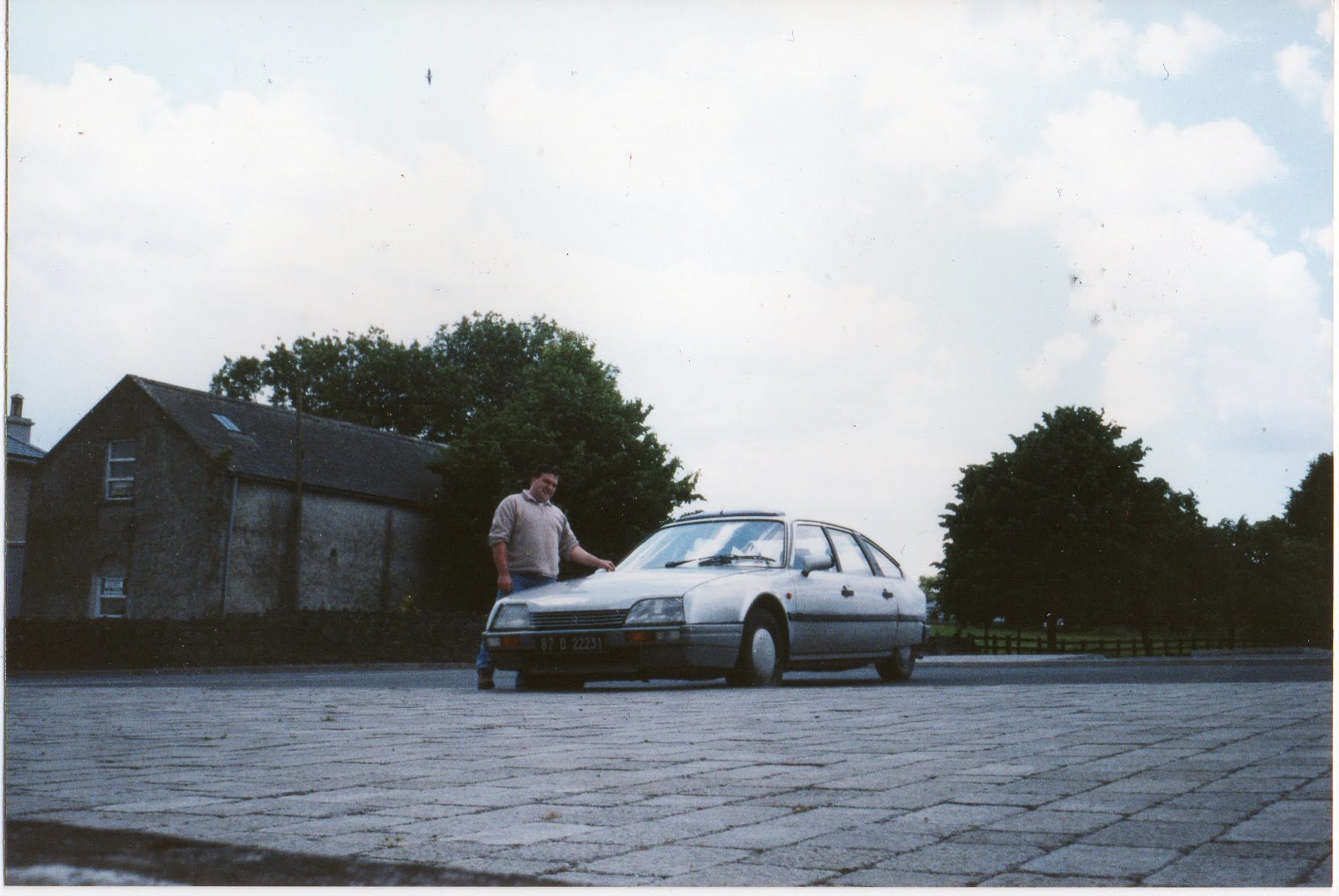
It reminded me of my own long-forgotten ownership of a CX in the late 90’s. It was a great story of how I came to get it and what eventually happened to it. It sat in a yard for quite a while and I really had to convince the guy to sell it to me. As far as I remember it was the product of a long running insurance claim.
The story goes…
A captain from a ship that sailed from Rosslare to Fishguard owned this car, the parking brake was notorious on these cars and when it was worn it had what we called the rocket launcher handbrake because when it was worn it would pull up almost vertical before it would engage.
Anyway when the captain came back after his shift he found his car had rolled down the carpark and hit a wall, being blamed on that notorious handbrake, breaking the front bumper cover beyond repair and badly damaging the bonnet and radiator panel as well as the radiator.
I eventually bought it as a damaged repairable. I could not find a bumper anywhere, I fixed the bonnet and panel and had it painted and I replaced the radiator.
It took almost a year to get a genuine bumper cover from France at a horrific price of almost £600 (Irish punts in ’93 or ’94). When I finally got it altogether my Dad — who wasn’t into cars at all — fell in love with the car, not surprising, the smell of the leather interior alone would sell this car.
Anyway when he retired in ’98 or so he didn’t want to pay the large road tax anymore so I bought it back off him.
I kept it for a couple of years and only sold it when my son was a baby — for money frankly, he was quite sick for the first 18 months or so of his life.
I sold it to an enthusiast who slowly and surprisingly, ruined it until all it was fit for was the scrapyard. I was quite annoyed as I really didn’t want to sell it to him but he literally begged me. At the time I had two running Citroen 16v Gti BX’s I was willing to sell one of them instead so I had an out.
One of my 16v’s was the one I rushed my wife at the time to hospital because of complications with my sons birth so I was never going to sell that. Unfortunately that car was written off when someone crashed into it when it was parked, a drunk driver with no insurance.
Anyway, my rambling comes from memories of seeing Citroën’s today.
Citroën, Alfa Romeo, VW, Audi and Mercedes have always been a big part of my life and have plotted my journey of where I was in my career at points in time.
If you want to see some really nice French classics in pristine condition it’s well worth a visit. There was a slide in camper and some motorcycles there too but I didn’t get to investigate them. Yet.
This car failed the emissions test for the NCT in Ireland, and the workshop charged with its repair is stumped. Emissions seems to be a stumbling block for a lot of workshops, and I’m really not sure why.
One reason might be that too many techs try to fix them by ringing someone looking for a silver-bullet answer rather than working through a process. That’s how I came across this job — I got the call.
I don’t mind taking calls like this. In fact, solving complex issues forms the majority of my work, and I thoroughly enjoy it. I like the puzzle, the research, and the challenge. While I can’t give away diagnostic work for free — it’s my livelihood, after all — I’m really happy to talk to other mechanics and try to help them sort out issues. It forms good connections, and it’s good for business in the long run.
What stood out to me on this one was the lack of process. Up to the point of calling me, the extent of the repair effort was clearing the MIL twice right before the test in a sloppy attempt to “get it through.” When I asked basic questions about fuel trims or O2 sensor activity, I was met with complete silence — suggesting live data wasn’t even being evaluated.
The image above is from the fail report sheet after its NCT visit. It shows an incredibly rich running condition both at idle and high idle. So what could be wrong here?
Let’s break it down
First things first: What can cause a rich condition? Broadly speaking, it’s too much fuel, too little air, or fuel vapours unceremoniously entering the intake system.
What if the ECT sensor were faulty? It could be reading -40°C and flooding this engine out.
Another reason — and why I asked what the trims and O2 readings were — is that it could simply be a dead or unresponsive sensor causing the ECU to default rich.
For that matter, it could be as simple as a heavily restricted air filter choking the intake.
I also considered leaking injectors, high fuel pressure, or a heavily worn engine with excess blow-by making its way into the breather system.
Being thousands of miles away and not having hands on the car makes it trickier, but asking the right diagnostic questions usually points you in the direction of logic and data.
Before I could even sink my teeth into a deep dive, one simple question shifted the entire picture: When did it last have an oil change?
A few umms, ahhs, and a quick phone call to the owner revealed the answer: a staggering five years ago.
Yes, you read that right. Five years of unburnt fuel, moisture, and heavy blow-by sitting in the oil, constantly being pulled straight back into the intake through the PCV system and saturating the mixture.
To borrow a phrase from many a mechanic before me: “Well, there’s your problem.“
Final thoughts on this
I’m still awaiting the call back to confirm after they flush it, change the oil and filter, and run it. But given how these calls usually go once the obvious hits… I won’t be holding my breath for a follow-up.
Besides, I know they don’t have a gas analyser so even when this is repaired the real result will only be verified by another visit to the test center.
Sometime around 1995 I bought an oscilloscope for my workshop. There was one in the college I went to, a Crypton I think, but I don’t have a memory of it being used. And if it was, it was a very brief introduction.
I finished my college time in the summer of 1992 and then worked trying to find my place in the motor trade. I enjoyed getting stuck into problems and working them out. The more I got into this the more equipment I needed, and to be honest I really couldn’t afford what I wanted.
It was some time in 1993 I was visiting another workshop locally to me and I noticed a machine he had just gotten secondhand. It was the same one we used in the Citroën main dealer where I worked, it was a Souriau which was the brand supplied to dealerships at the time.
It had a three gas analyser fixed in the middle of the frame with an oscilloscope CRT screen on top and a boom for the cables and timing light attached to the back.
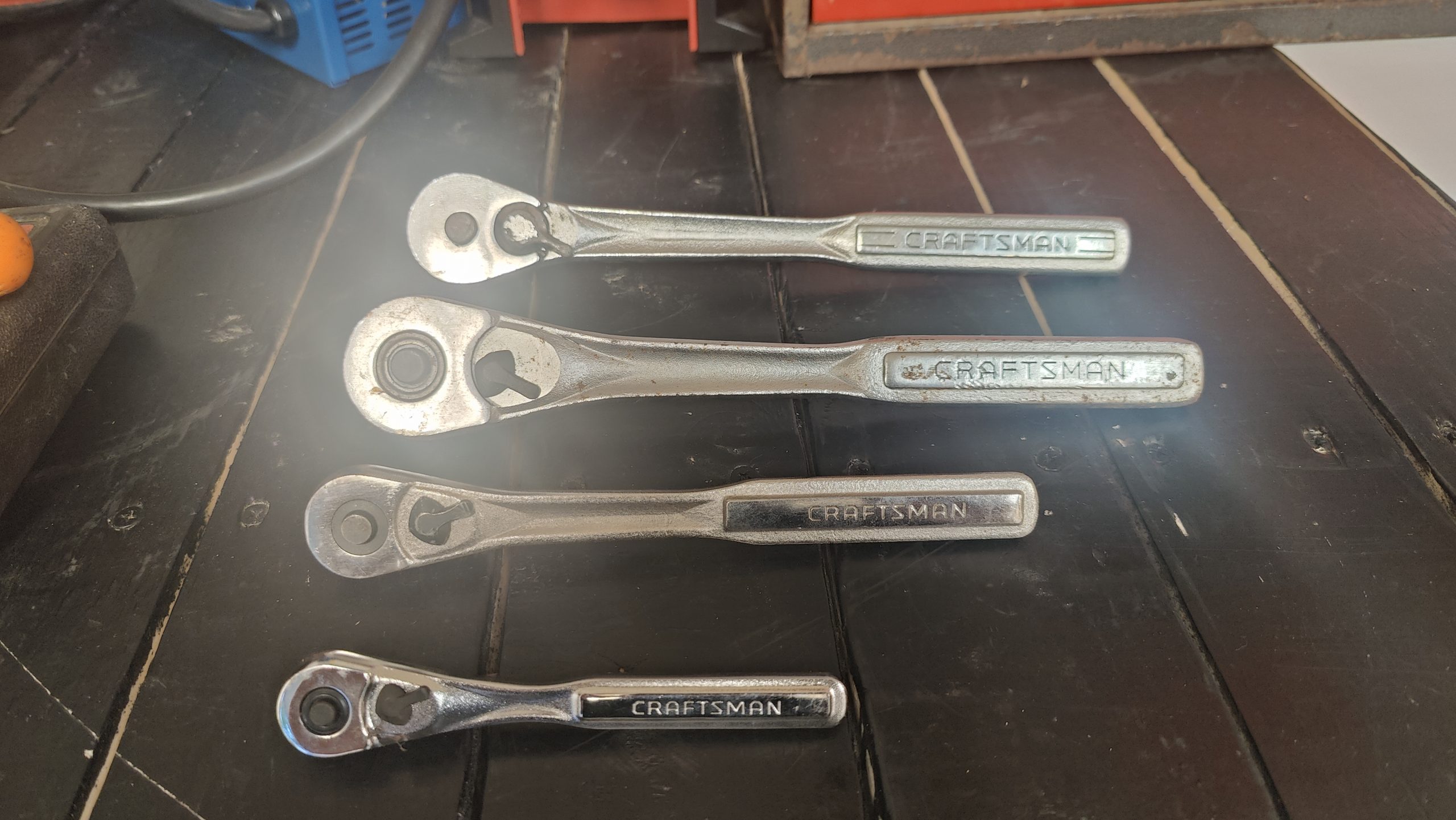
Some old Craftsman Ratchets from a recent rummage sale toolbox collection I bought. Still going through them. A.I. says I really hit the jackpot here. I love how it’s always so positive and upbeat 😂
I watch a lot of — well way too much in fact — YouTube videos and I notice the oddest and sometimes most inoffensive words are muted.
So imagine getting your hands on this tool as a marketing company and trying to get the message out there that it’s a double handed errrr some sorta jobby screwdriver thingy.
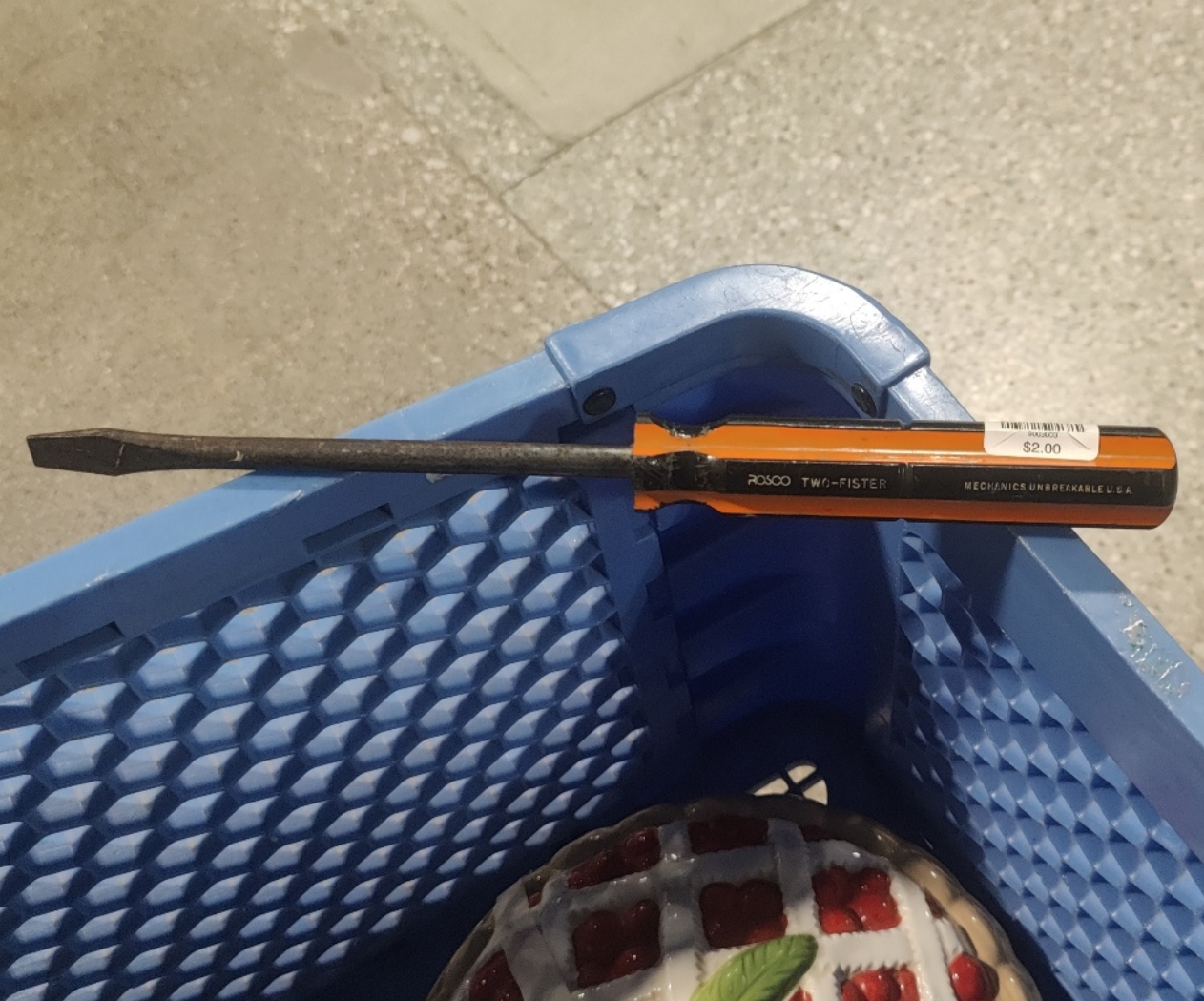
But anyway here it is, my latest tool thrift find. Which seems to becoming a thing without me even trying to make it a thing.
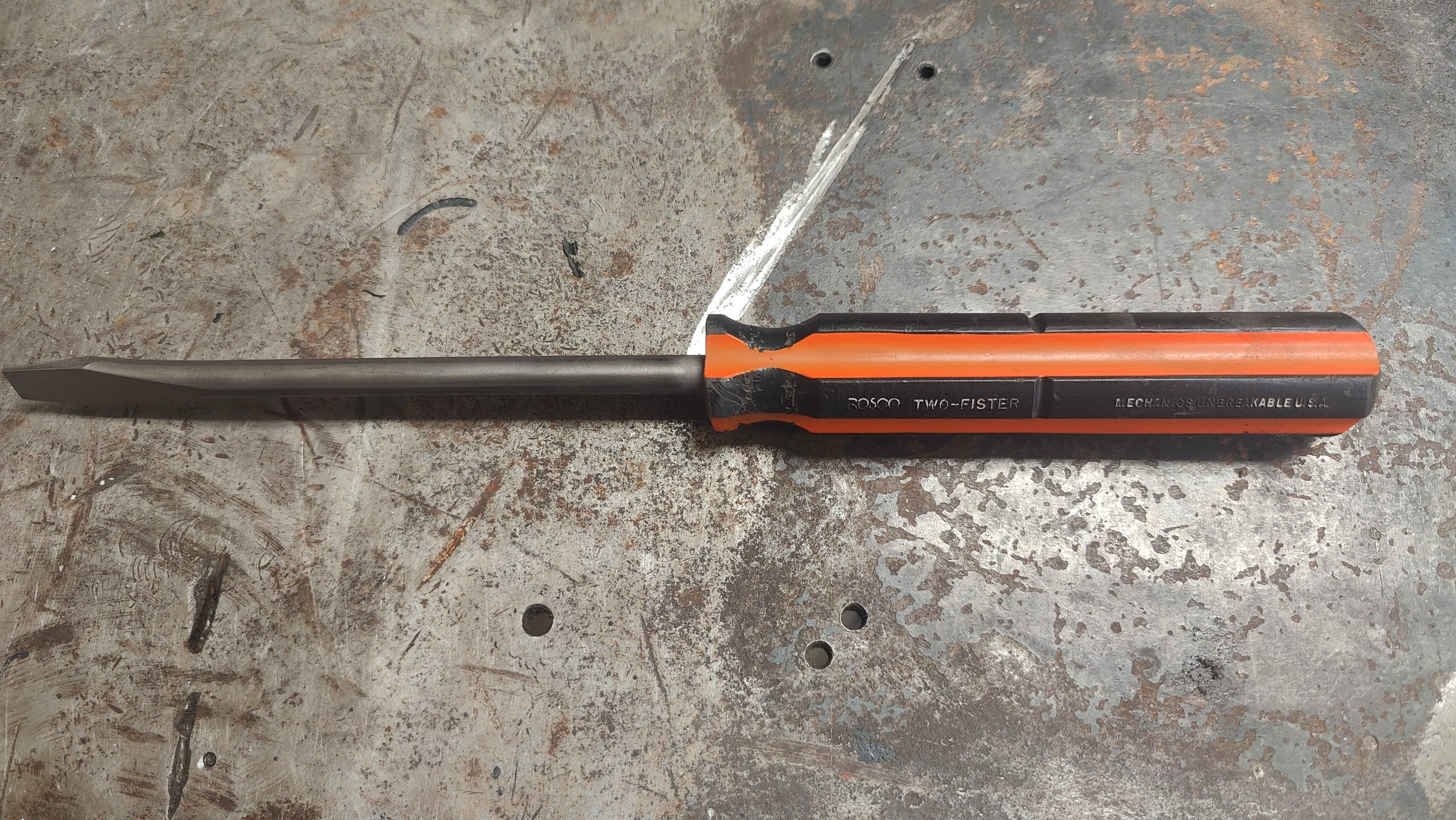
The tool in [image] is a vintage Rosco “Two-Fister” Mechanics Unbreakable flathead screwdriver. Rosco was a classic American tool brand (often associated with Rosenberg Bros. & Co. out of New York), and they made these rugged, thick-handled drivers back when tools were built to outlive their owners.
Google Gemini
I had never seen one or even heard of one before so it was a great find for the research alone. Now all cleaned up it’ll live in the toolbox for whatever adventure comes my way in the workshop.
Posted in Blog | Permalink
| Comments Off on You wouldn’t be able to name it this nowadays — The Two-Fister Screwdriver
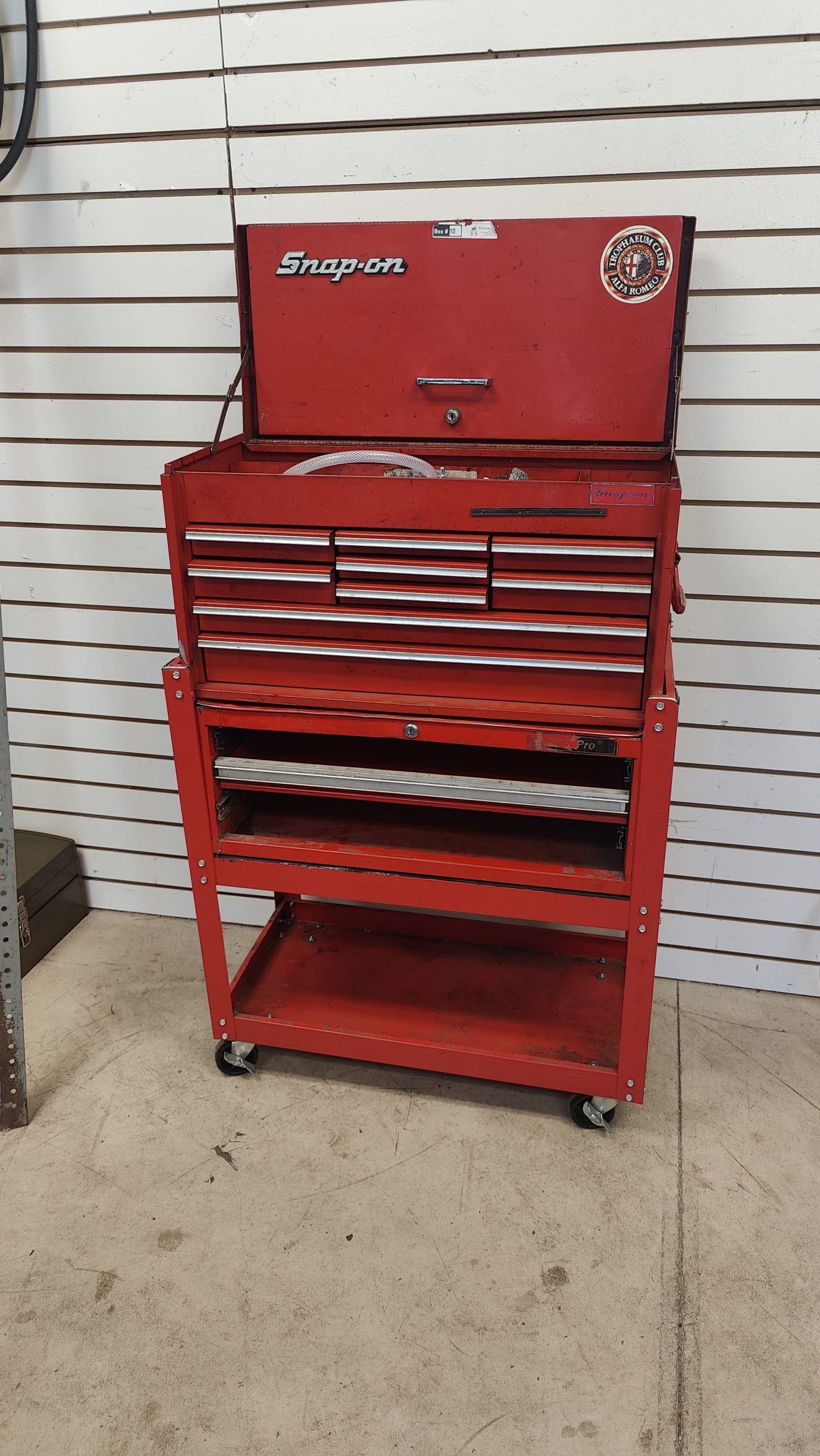
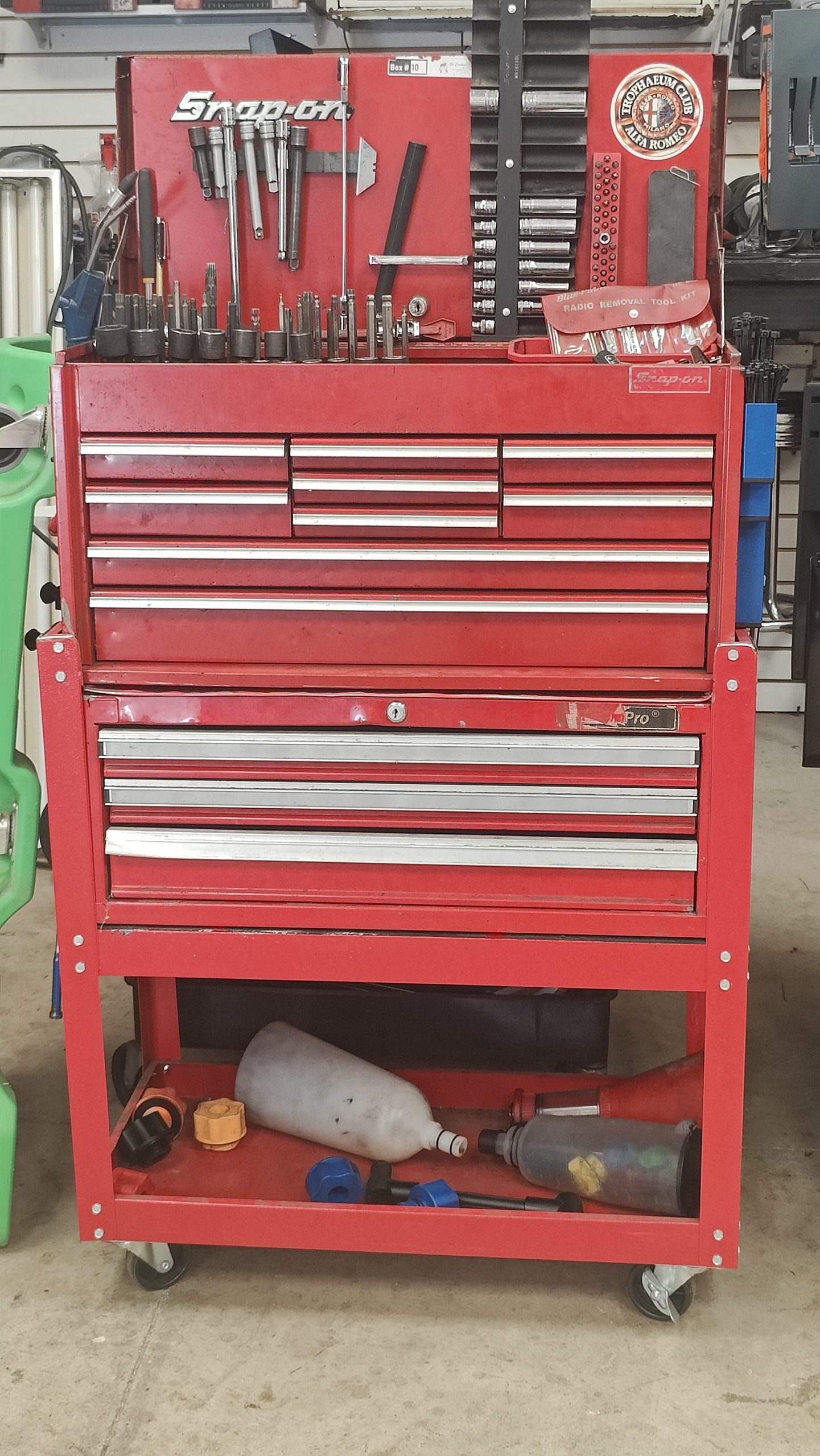
I cobbled this together today from my original snap on top chest — a KRA-59G I bought in 1989 — a crappy set of 3 drawers I picked up somewhere for free years ago and a cheap metal cart which I adapted to use in my move.
It’s actually two carts made into one, now it’s chopped and drilled to make a service cart of sorts.
It’s a little rough but working with what I had I think it works and looks just fine.
**Added the image below, it’s actually working out nice as a service type cart.
Posted in Blog | Permalink
| Comments Off on My Ur-toolbox still in the workshop today.